Wednesday, 8 February 2023

Wild Bird Wednesday 550 - Brolga

The Brolga (Grus rubicunda) is one of two species of true Cranes that occur in Australia. (The other species - The Sarus Crane (Grus antigone) - only occurs in parts of Northern Australia)

The Brolga is widespread in northern and eastern Australia - but like many birds that rely on wet and swampy habitats, its range and abundance has declined as development has eaten into our wetlands.  

A fully grown brolga can reach a height of 0.7 to 1.4 m and has a wingspan of 1.7 to 2.4 m Adult males have an average body mass of 6.8 kg with females averaging 5.66 kg . The weight can range from 3.6 to 8.7 kg.

In other words, they are an impressively large bird.

These birds were loafing about (rather predictably) at the Werribee Sewage Works - where they are established as a breeding species.  After spending some time with the most obvious bird, I noticed a second head popping up through the vegetation about 20 meters away from the first bird.

Apart from a bit of preening and general feather maintenance these birds were not very active - there were many frogs calling in the area and I suspect both birds were waiting for their next meal to hop past!


As ever to join in with WBW click on the link below.  Cheers  SM

PS: Just noticed that this is the 550th WBW in a row!


You are invited to the Inlinkz link party!

Click here to enter

Wednesday, 1 February 2023

Wild Bird Wednesday 549 - Tested Terns

 At the end of last year I had the opportunity to help with the banding of Crested Tern (Thalasseus bergii) chicks in a colony on Mud Islands in Pot Philip Bay. 

These are the 'default' tern in my part of the world - but it was still wonderfull to see them at their breeding site.  It was, to say the least, very noisy!

The aim of the day was to be there when large numbers of the chick were capable of running, but not flying.  At this age we were able to pursued the chicks to walk along the beach towards a set of net we had placed on the beach.  The nets had a wide entrance which we could close behind the chicks - and once they had been herded into the net we closed the 'gate' on them.  The parent birds did not approve of this action and were very vocal their protests!

The chicks were banded and released within a few minutes, and it was wonderful to see how quickly the adults found their chicks.  It was advisable to wear a hat during this process as the adult birds would often peck you on the head!


If you ever get a chance to be involved in an activity like this, grasp it with both hands!

As ever, to join in with WBW click on the link below.  SM

You are invited to the Inlinkz link party!

Click here to enter

Wednesday, 25 January 2023

Wild Bird Wednesday 548 - Eastern Yellow Robin

Back to the robins for this week's WBW.

The Eastern Yellow Robin (Eopsaltria australis) is probably the most common robin in my part of the world.  Its range is from the extreme southeast corner of South Australia through most of Victoria and the western half of New South Wales and north as far as Cooktown.

It was also one of the robins that proved to be the most tricky to photograph during the 3 day tour!  Which is crazy really!

Anyway, as its name suggests this is not a red robin, but a yellow one.  The 'sticking out from a tree' position is a classic for this species.


This pictures look much better enlarged.  

To join in with WBW, click on the link below.  SM

You are invited to the Inlinkz link party!

Click here to enter

Tuesday, 17 January 2023

Wild Bird Wednesday 547 - Powerful Owl

I'm taking a short break from the robins this week to share some pictures of one of the more remarkable wildlife encounters I have ever had.

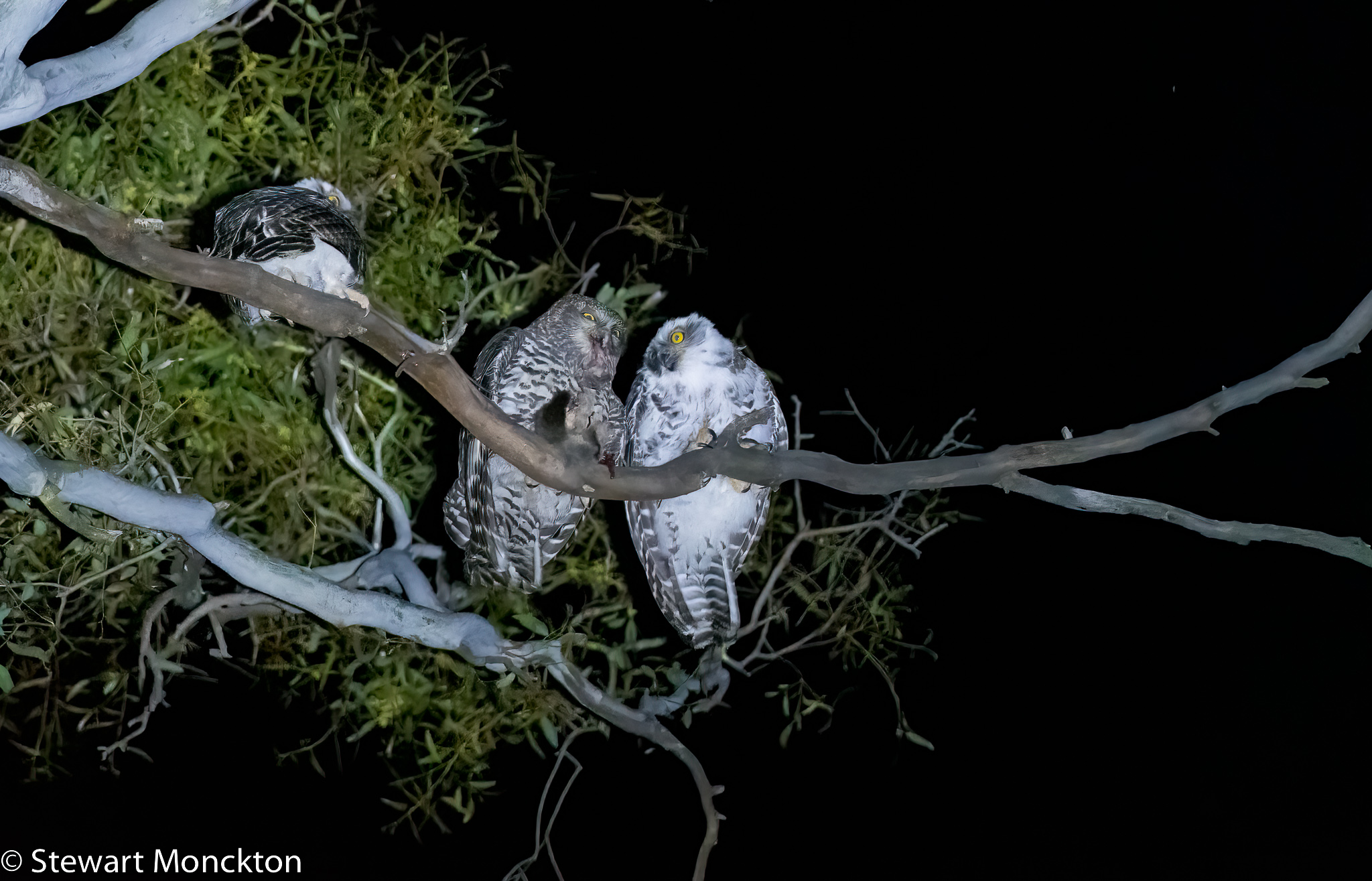
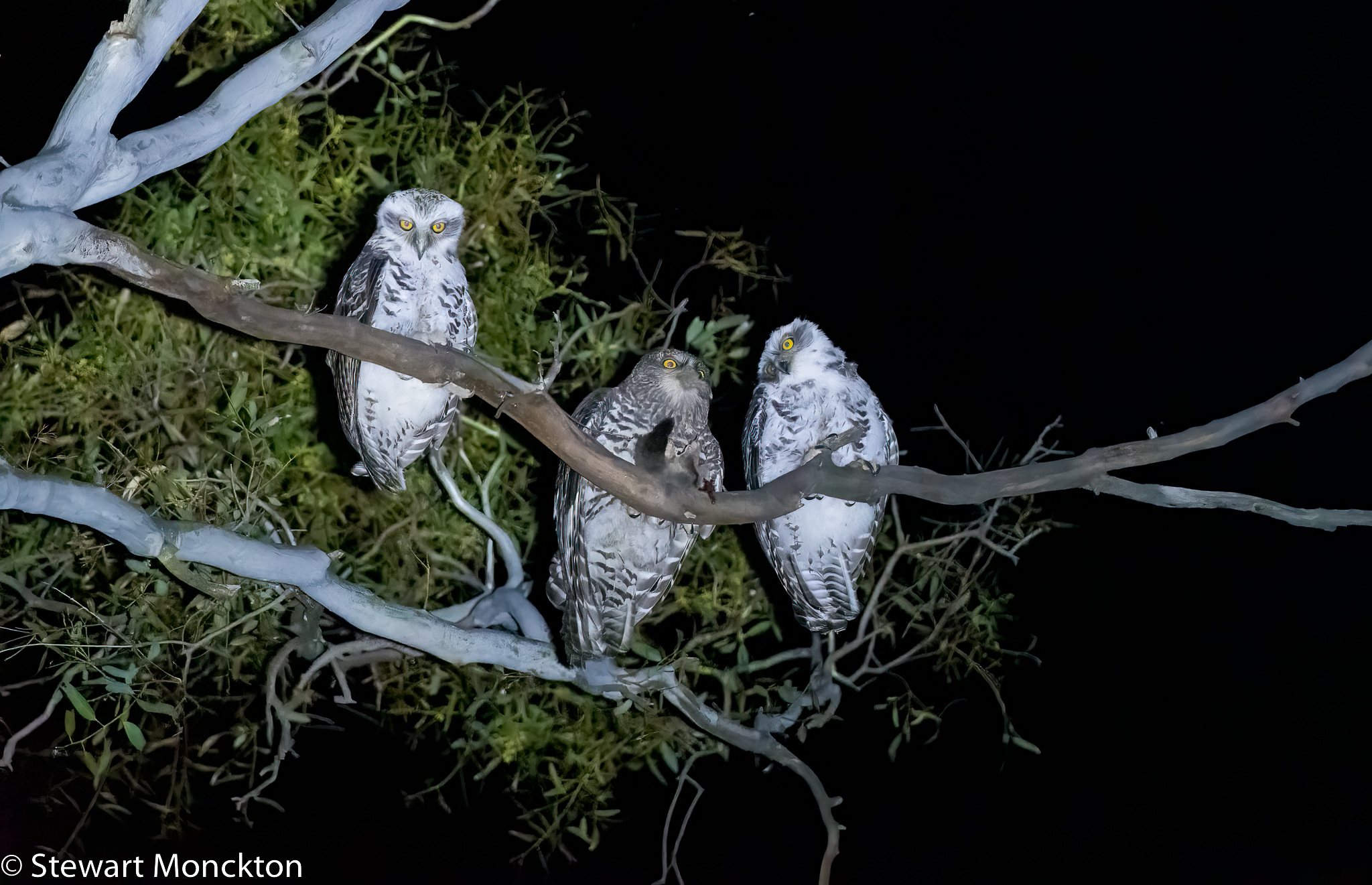
While doing some mammal watching north of Melbourne we came across a 'family' party of Powerful Owls (Ninox strenua). 

This species is native to south-eastern and eastern Australia, is Australia's largest owl.  This species measures 45 to 65 cm (18 to 26 in) in length and has a wing span of 112 to 135 cm (44 to 53 in). Unusually for owls, the male is slightly larger than the female on average.  Males have been reported at 0.99 to 2.22 kg (2.2 to 4.9 lb), while females can weigh from 1.04 to 1.6 kg (2.3 to 3.5 lb).  Its generally size and weight put it in the top ten largest owls in the world.

The adult male was feeding the two young owls (who were not the best flyers yet!) a brush tailed possum. (In terms of size, the possum is about the size of a house cat!)

We watched and photographed the owls for a while and then left then alone.  Surprisingly, one of the younger owls followed us along the path and very briefly landed on a low branch near us.  It that decided this was a bad plan and flew off.

All the pictures were taken during brief periods of illumination by torch light.

A really wonderful few minutes with a special animal. 


I would be honest to say, that I took a while to get to sleep after seeing these!

As ever, to join in with WBW click the link below.  SM

You are invited to the Inlinkz link party!

Click here to enter

Wednesday, 11 January 2023

546 Wild Bird Wednesday - Pink Robin

The Pink Robin (Petroica rodinogaster) is a small - and rather round - looking robin that breed in densely vegetated gullies in moist eucalypt forests or cool temperate rainforests.  This means that there breeding is limited to the South East of Australia, although they disperse out of these habitats after breeding.

Given the type of habitat they live in, they can be a bit hard to find - and having an ear for their call is a great help.  The heavy tree cover in such areas also makes photography a bit of a challenge.

I may have encountered the 'we wave one wing at a time population' of this bird - as that seems a popular stance!


As ever, to join in with WBW click on the link below.  SM


You are invited to the Inlinkz link party!

Click here to enter

Wednesday, 4 January 2023

Wild Bird Wednesday 545 - Southern Scrub Robin

Post 4 in my Robins of Victoria Series. 

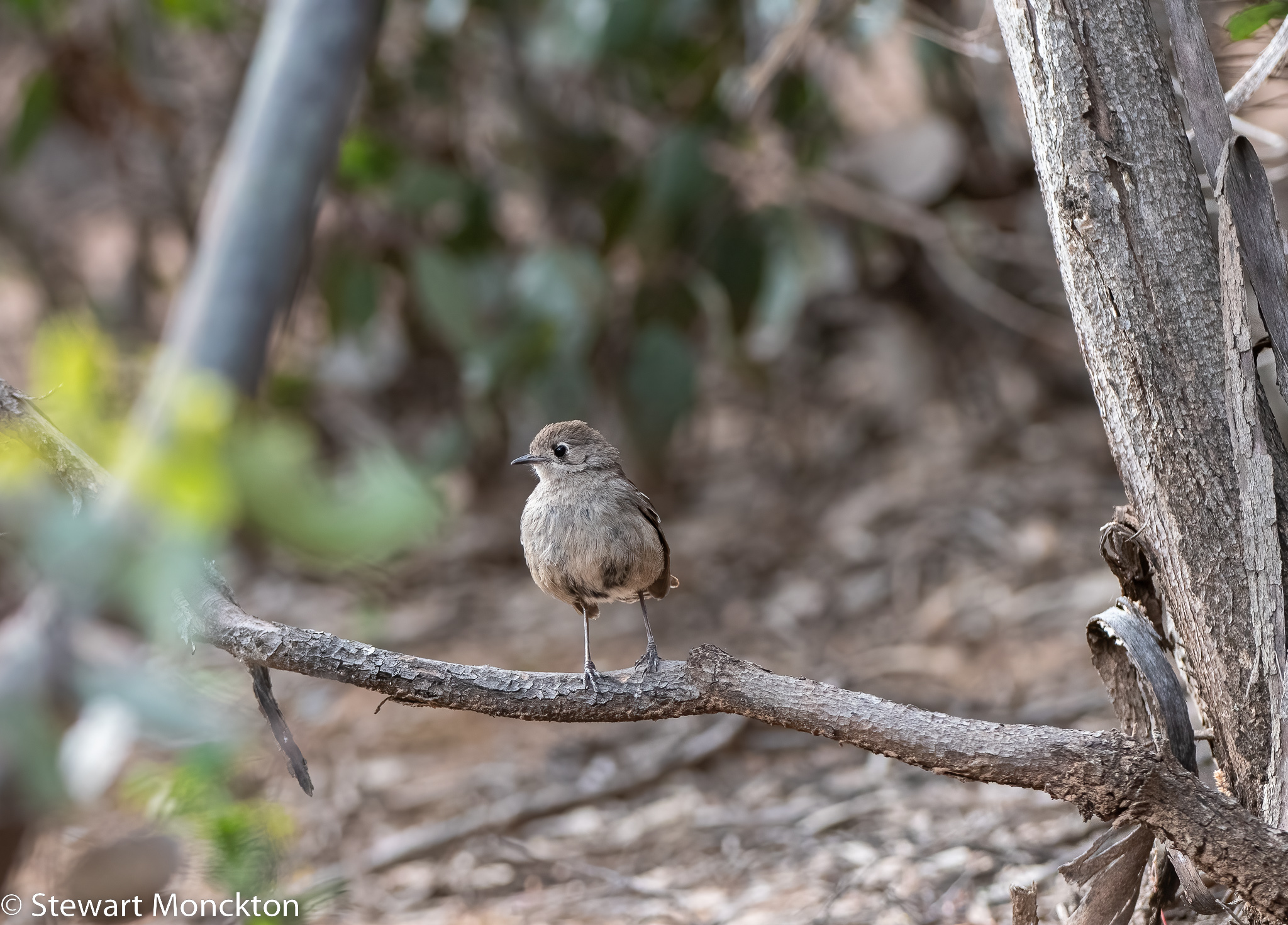
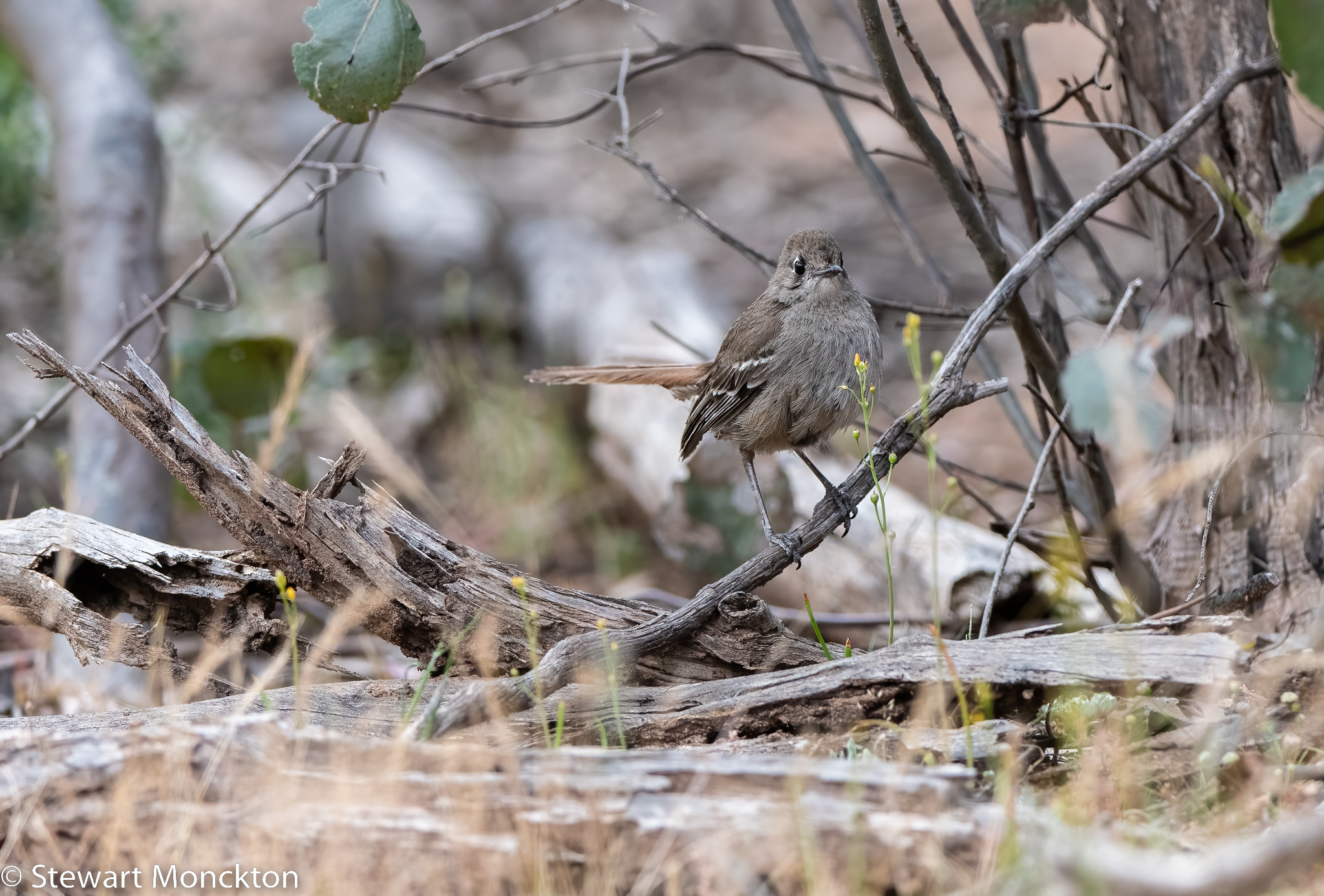
WBW for 2023 starts with the Southern Scrub Robin (Drymodes brunneopygia) which is a bird that lack the (often) characteristic red colouration of a bird called a robin.  In terms of 'redness', the best the Southern Scrub Robin can do is the red/brown colour of its tail.

This is a bird of low, dry woodland with a patchy distribution along the southern edge of Australia.  This is very much a ground dwelling species, often preferring to run the fly. As you can see from the pictures, this bird stays low to the ground and loves the cover of bushes.  In a few of these picture you can also see the sequence of the characteristic tail flicks that this species has.

We discovered that this bird was guarding a nest, and we left it alone to do its breeding thing.

According to the bird books, the line through the eye and the pale partial eye ring give the bird a sad look. I am not convinced by this!


As ever, to join in with WBW click the link below.  Lets hope for a peaceful and bird-full 2023 for all.

SM

You are invited to the Inlinkz link party!

Click here to enter